
Imagine a bold solution that harnesses the hidden potential of the oceans, revolutionizing our fight against climate change. Enter the world of iron nanoparticles, where scientists seek to unlock a natural superhero to save our planet. In this visually captivating blog post, we explore the audacious idea of dumping iron nanoparticles into the oceans and discover how it could ignite an environmental transformation like never before.
Part 1: The Ocean’s Hidden Superpower
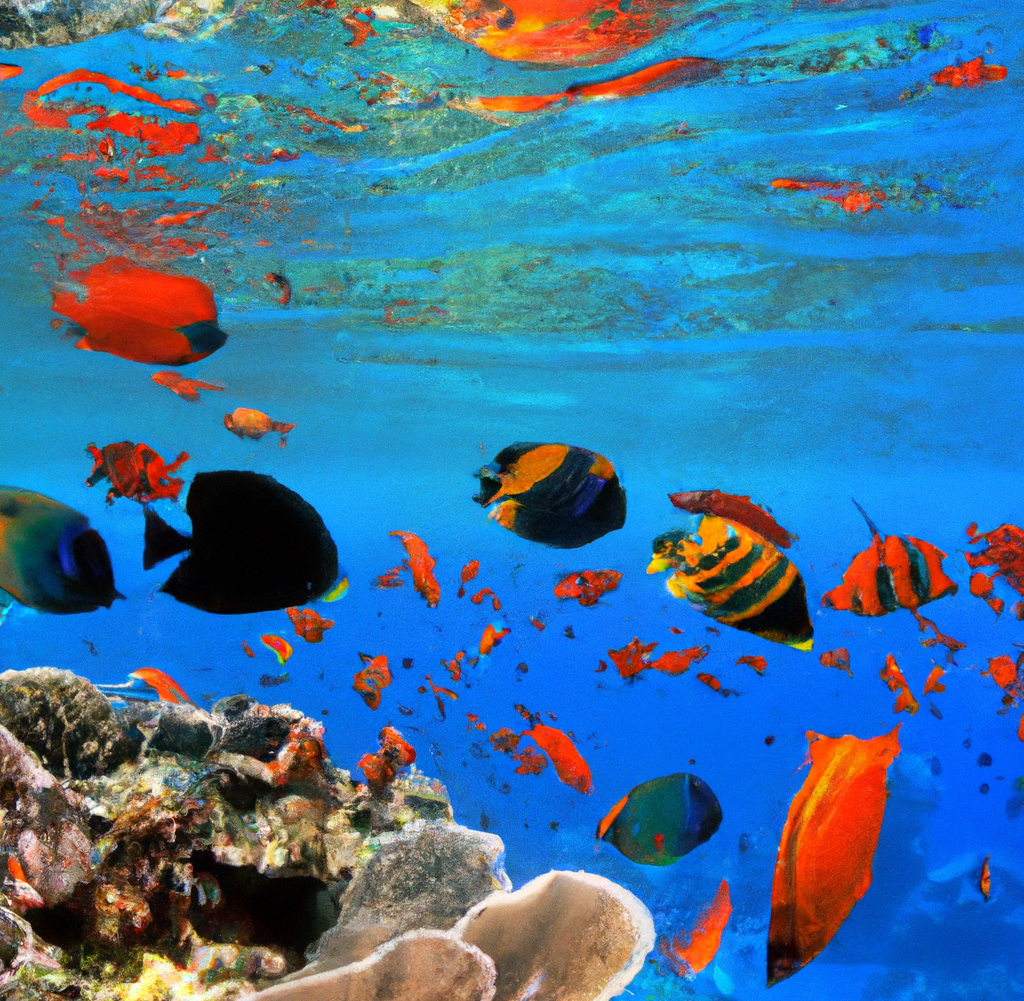
Did you know that the vast expanse of the world’s oceans holds immense potential to combat climate change? Scientists have long recognized the pivotal role of phytoplankton, tiny marine plants, in absorbing carbon dioxide from the atmosphere. These microscopic superheroes use photosynthesis to sequester carbon, providing a vital service to the planet. However, certain regions of the ocean suffer from iron deficiency, stunting the growth of phytoplankton and hindering their carbon absorption capabilities.
Part 2: Enter Iron Nanoparticles – Unleashing the Power Within
Imagine a remedy that could rejuvenate these iron-starved oceanic areas and unleash the full potential of phytoplankton. This is where iron nanoparticles come into play. By strategically introducing these tiny particles into iron-deficient regions, scientists aim to stimulate the growth of phytoplankton, amplifying their carbon-capturing abilities and tackling climate change head-on.
Part 3: Visualizing the Oceanic Renaissance
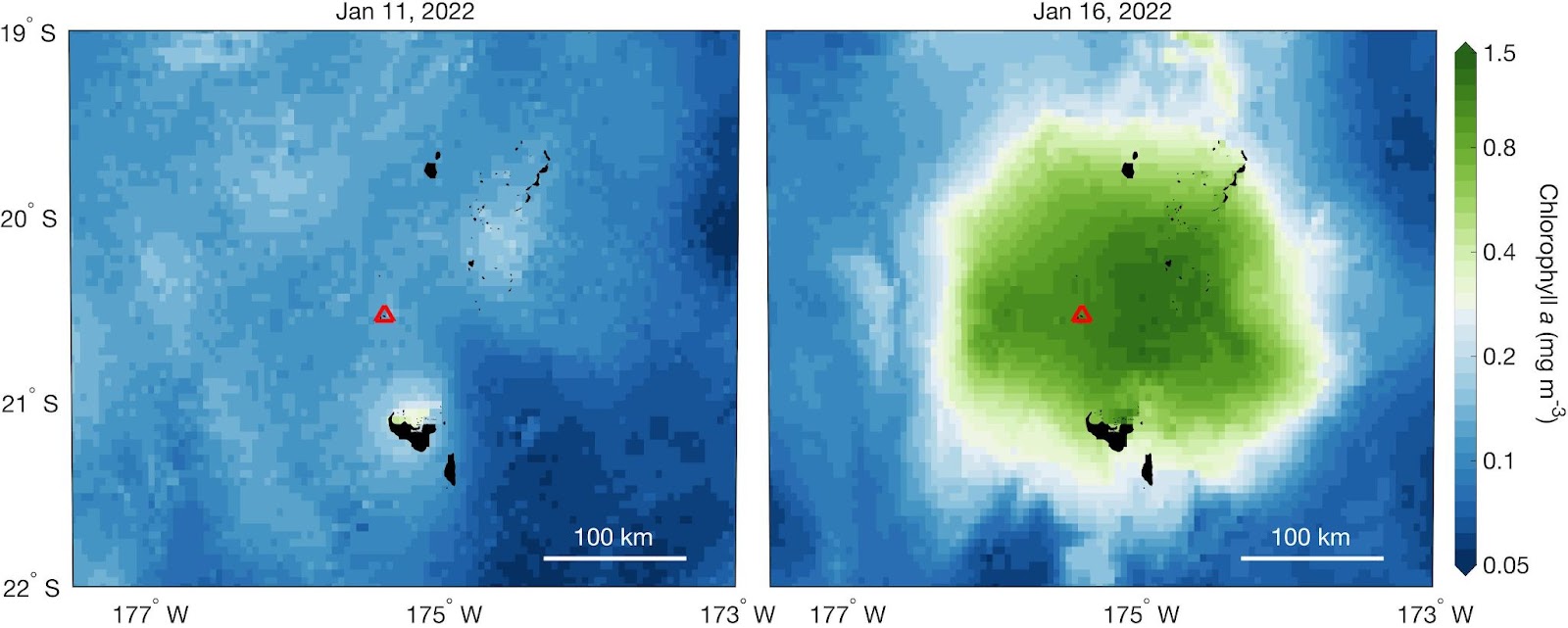
Picture this: vast expanses of the ocean, once devoid of life, now teeming with thriving phytoplankton, transforming into a vibrant green s pectacle visible from space. The introduction of iron nanoparticles has the potential to create a breathtaking visual transformation, as phytoplankton blooms spread across the once barren regions, signaling a rejuvenation of marine life and a powerful weapon against climate change.
“Give me a half tanker of iron, and I will give you an ice age,” he famously quipped during a lecture in 1988.
In 1993, shortly after Martin’s death, his colleagues at Moss Landing Marine Laboratories tested the hypothesis by increasing the concentration of iron over 64 square kilometers of the Pacific Ocean. They then observed the area for 10 days and saw the amount of plant biomass double.
“All biological indicators confirmed an increased rate of phytoplankton production in response to the addition of iron,” they wrote in a paper detailing the experiment.
Part 4: Writing the Future with Iron Nanoparticles
We stand at a critical juncture in human history, where bold and unconventional ideas must be explored to safeguard our planet’s future. The concept of dumping iron nanoparticles into the oceans is undeniably audacious, yet it carries the potential to ignite a wave of environmental change. It is crucial to approach this idea with an open mind and heart, balancing the scientific uncertainties with the urgency to protect our fragile ecosystems.

Conclusion
In our quest to combat climate change, we must venture into uncharted waters, exploring innovative solutions that bridge science and imagination. The idea of using iron nanoparticles to rejuvenate iron-deficient oceanic regions offers a visually captivating and environmentally promising approach. As we navigate the complexities of this proposal, let us remember to tread carefully, mindful of the potential risks and unknown consequences. With a sense of wonder and the resolve to protect our planet, we can unlock the ocean’s hidden superpower and embark on a journey towards a sustainable future.



 Ansar's Blog
Leave a comment