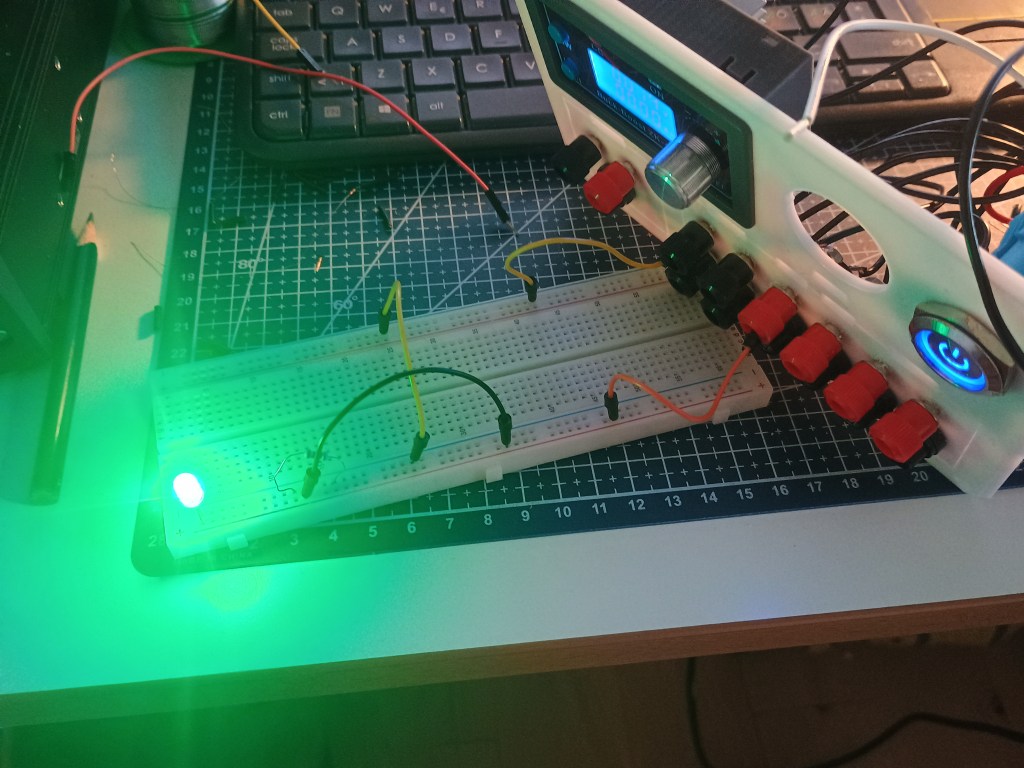
⚡Turning an old PC power supply into a fully adjustable electronics workhorse.
For the past few weeks, I’ve been hinting at a big project I’ve been working on. Well… here it is: I built my very own variable power supply.
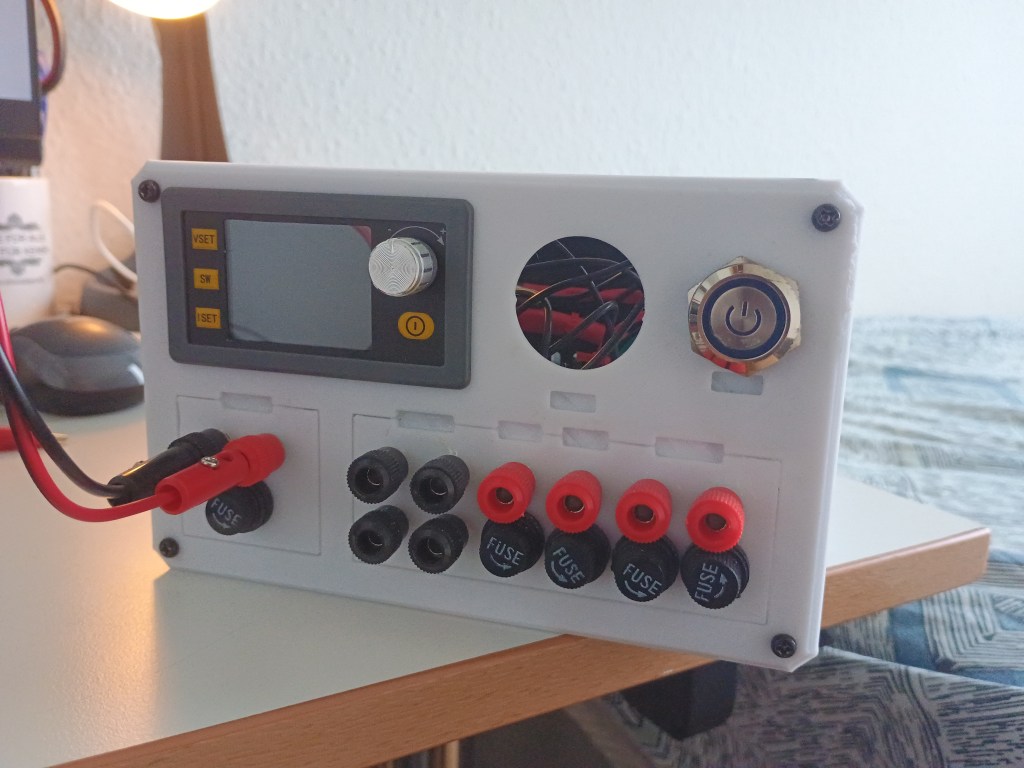
Now, I know what you’re thinking:
- Why not just buy one?
- Isn’t that dangerous?
- Does it actually perform like a professional one?
Let’s answer those questions and I’ll show you exactly why this project was worth it — and why you might want to try it yourself.
What is a Variable Power Supply?
A variable power supply (or adjustable power supply) is a device that lets you set and adjust the output voltage and current to match your needs.
They’re essential for:
- Circuit testing
- Prototyping electronics
- Troubleshooting devices
- Educational experiments
By giving you precise, repeatable voltage and current control, they ensure your projects run exactly as intended.
In short: If you like building electronics, you need one.

Why I Built Instead of Bought
I had an old ATX computer power supply gathering dust. It already outputs 3.3V, 5V, and 12V, has its own fan, and is built like a tank.
The thought hit me:
“Why not repurpose this into a bench power supply?”
The only missing parts were:
- Banana plug to alligator clip leads
- Buck-boost converter
- Push-button switch
- High-power resistor
The beauty of the ATX PSU is that it’s safe, powerful, and ready to adapt — all you need is a bit of modification.
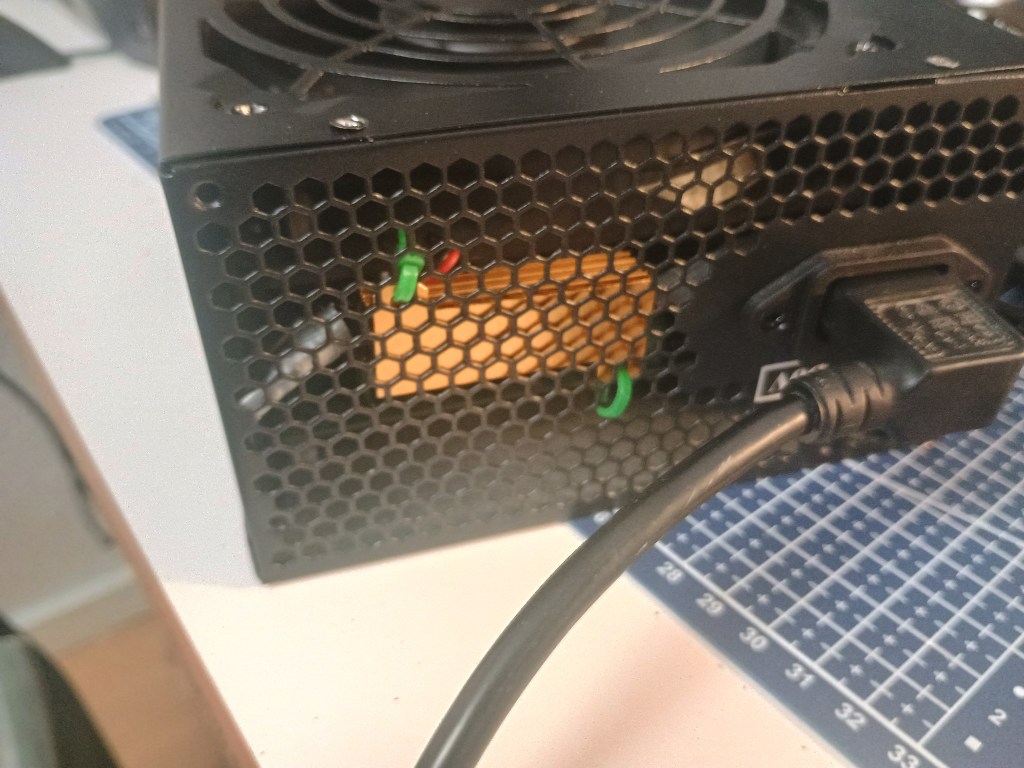
My Build Process (and Failures!)
I’ll be honest… I failed twice before I got it right.
Why? I initially tried to build my own DC converter instead of buying one. Cheaper? Maybe. Safer? Absolutely not.
Eventually, I ordered a buck-boost converter online — simple, cheap, and reliable. That removed a lot of risk.
For the case, I used a 3D printed design by Caelestis Workshop.
If you want the step-by-step guide, check out their excellent Instructables tutorial.
⚠ Safety note: You’re working with mains voltage inside the PSU. Do this at your own risk and only if you’re confident handling electronics.
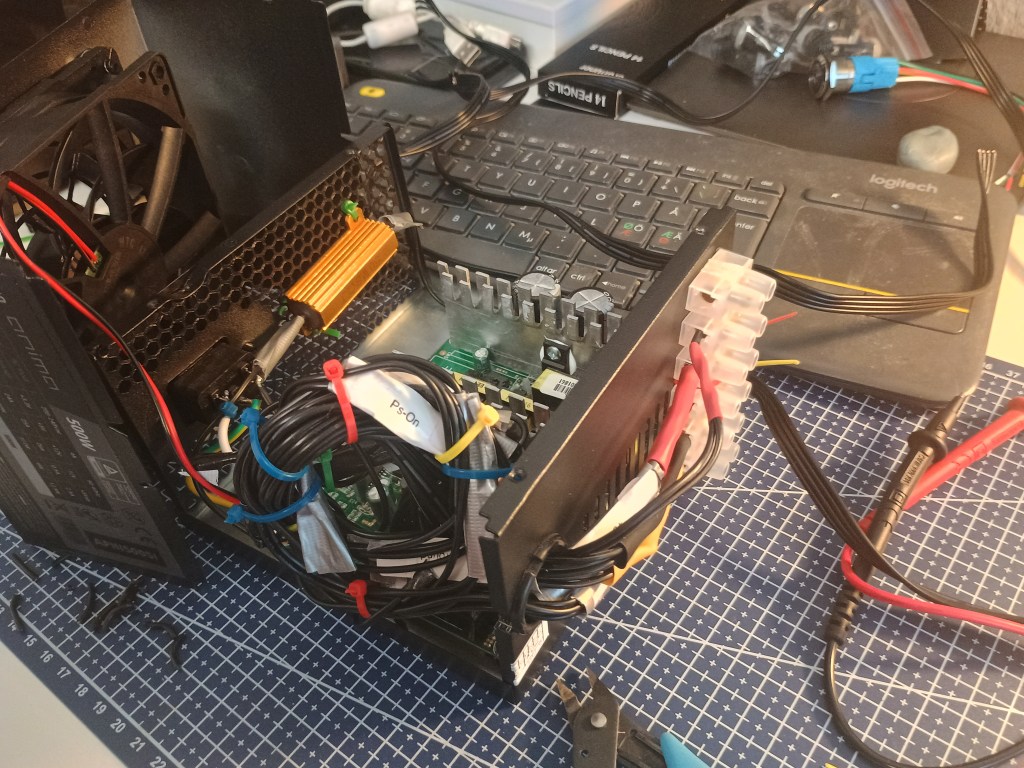
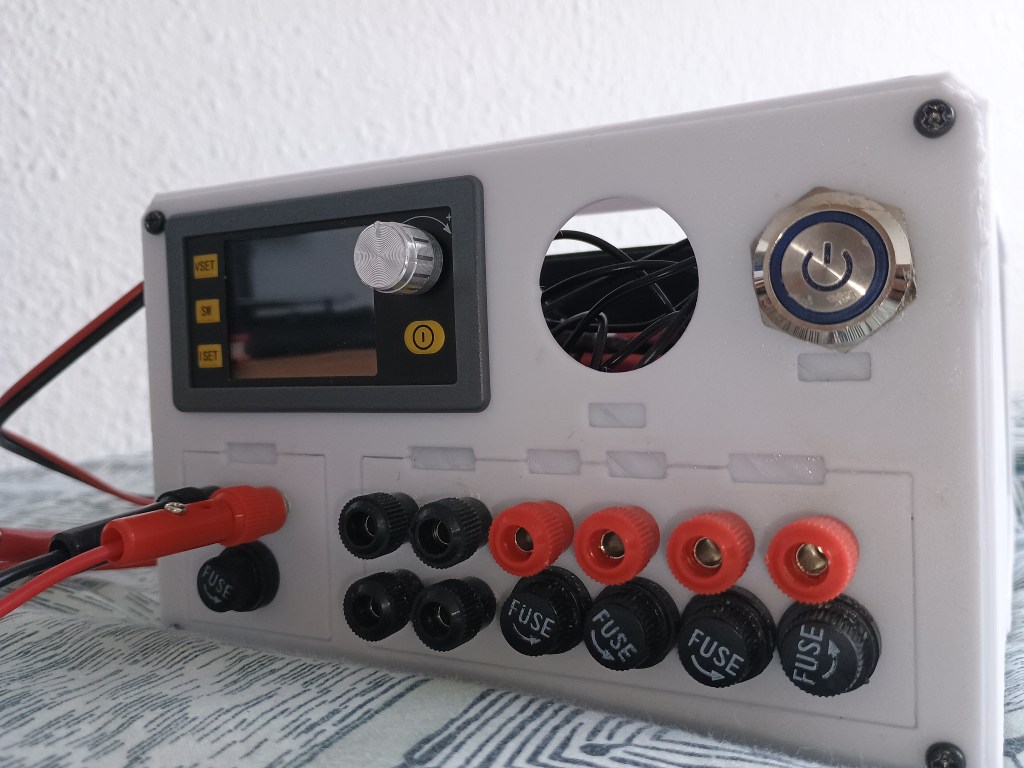
The Finished Build
Now I have a sturdy, adjustable power source for all my future projects. The voltage can go anywhere I want, and the built-in cooling keeps everything safe.
What I’ll Use It For
Here’s where it gets exciting — this power supply will fuel some big upcoming projects:
- Solar Tracker 🌞
- A motorized system to follow the sun for better solar efficiency.
- Shape Optimization Research 🌀
- Using CFD simulations to design better wind turbine blades, drone propellers, and underwater propellers.
- Hydrogen Production Experiments 💧⚡
- Testing how different electrode shapes affect hydrogen output efficiency.
And that’s just the beginning.
Why You Might Want to Build One
Even if you don’t have my exact project list, a bench power supply is an electronics Swiss army knife.
With one on your desk, you can:
- Power microcontrollers
- Test LED circuits
- Drive motors
- Charge batteries
- Experiment safely with new components
Plus, building it yourself means you’ll learn more about electronics than you would by buying one ready-made.
Resources
- 3D printed enclosure by Caelestis Workshop
- Detailed Instructables guide
- Safety tip: Always discharge capacitors and unplug the PSU before working on it.
💬 Your Turn — Have you ever built your own electronics lab tool? Would you try converting an old ATX PSU into a variable supply?

 Ansar's Blog
Leave a comment